


Local Home Financing for Iowa Homebuyers
The local mortgage lenders at Central State Bank help homebuyers in Iowa compare loan options, understand costs, complete their applications, and prepare for closing. You receive clear answers and personal support from a community bank that knows the people and communities it serves.
Central State Bank offers conventional mortgages and several specialized home loan programs. Depending on your needs and eligibility, these options may help you buy a home with a smaller down payment, secure a competitive interest rate, or lower your monthly mortgage payment.
Call Your Nearest Central State Bank

What Is a Mortgage Loan?
A mortgage is a loan used to buy a house. You borrow money from a lender and repay it over a set number of years, plus interest. Your home serves as collateral for the loan. This means it secures the money you borrow.
Most mortgages are repaid over 15, 20, or 30 years. Your loan term, interest rate, down payment, credit history, income, and property taxes can all affect your monthly payment.
Our mortgage lenders will explain these details in plain language so you can choose a home loan that fits your budget.
Types of Home Loans Available in Iowa
The right mortgage depends on your finances, the home you plan to buy, and how long you expect to own it. Central State Bank can help you review the following home financing options.
Conventional Mortgage Loans
A conventional mortgage is a home loan that is not insured by a federal government program. Conventional loans may be a good fit for borrowers with a steady income, established credit, and sufficient funds for a down payment. Loan terms and down payment requirements can vary.
Private mortgage insurance may be required when the down payment is less than 20% of the home’s purchase price. Your loan officer can explain how mortgage insurance may affect your payment.
Fixed-Rate Mortgage Loans
A fixed-rate mortgage keeps the same interest rate for the full loan term. This option can make budgeting easier because the principal and interest portion of your payment stays the same. Property taxes and insurance costs may still change over time.
A fixed-rate mortgage may be a good choice when you:
- Want stable, predictable payments
- Plan to stay in your home for several years
- Prefer protection from future interest rate increases
Adjustable-Rate Mortgage Loans
An adjustable-rate mortgage, also called an ARM, usually begins with a fixed interest rate for a set period. After that period ends, the rate may change depending on the loan terms. An ARM may offer a lower starting rate than a fixed-rate mortgage. However, your rate and monthly payment may rise later.
An adjustable-rate mortgage may be worth considering when you expect to sell, move, or refinance before the first rate adjustment. A lender can help you understand the rate limits, adjustment schedule, and possible future payments.
First-Time Homebuyer Loans in Iowa
Buying your first home can feel complicated. Our local mortgage loan officers are here to guide you through each step. We can help you:
- Understand how much home you may be able to afford
- Compare mortgage loan options
- Learn about down payment requirements
- Explore available assistance programs
- Understand closing costs
- Prepare the documents needed for your application
FHA Home Loans
FHA loans are insured by the Federal Housing Administration. They may provide more flexible credit and down payment requirements than some conventional mortgages. An FHA loan may be helpful for first-time homebuyers or borrowers who have limited funds for a down payment.
FHA loans require mortgage insurance. Your loan officer can explain the costs, eligibility rules, and how an FHA loan compares with other home financing options.
USDA Rural Home Loans
USDA home loans are designed to support eligible buyers purchasing homes in qualifying rural areas. For borrowers who meet household income and property requirements, a USDA loan may offer:
- No down payment
- Competitive interest rates
- Affordable home financing in eligible communities
Not every home or borrower will qualify. Our lenders can help you review the program requirements and determine whether a USDA mortgage may fit your plans.
VA Mortgage Loans for Iowa Veterans
VA home loans are backed by the U.S. Department of Veterans Affairs. They are available to eligible veterans, active-duty service members, reservists, National Guard members, and certain surviving spouses. Depending on eligibility and loan terms, a VA home loan may provide:
- Up to 100% financing
- No required monthly private mortgage insurance
- Competitive interest rates
- Purchase and refinancing options
A Certificate of Eligibility is generally required. Our mortgage lending team can help you understand the application process and available VA loan options. To learn more about veteran home loans, visit the Federal VA website.
Mortgage Refinancing in Iowa
Refinancing replaces your current mortgage with a new home loan. Homeowners may refinance to:
- Lower their interest rate
- Reduce their monthly payment
- Change the length of the loan
- Switch from an adjustable rate to a fixed rate
- Remove private mortgage insurance when eligible
- Access available home equity
Refinancing is not right for every homeowner. A lower rate does not always mean the loan will cost less overall. Closing costs, the new loan term, your current balance, and how long you plan to remain in the home should all be considered.
Home Improvement Financing
Home improvements can add comfort, function, and value to your property. Financing may help cover projects such as a kitchen update, roof replacement, room addition, accessibility improvement, or major repair. The best financing option may depend on the project cost, your available home equity, and your preferred repayment structure.
What Is Included in a Mortgage Payment?
A monthly mortgage payment, sometimes called PITI, may include four main costs:
- Principal: The amount that reduces your loan balance.
- Interest: The cost of borrowing money.
- Property taxes: Taxes charged by the local government. These may be collected as part of your payment and placed in an escrow account.
- Insurance: Homeowners insurance and, when required, mortgage insurance.
Mortgage Prequalification & Preapproval
Prequalification and preapproval can help you prepare to shop for a home, but they are not the same.
Mortgage Prequalification
Prequalification provides an early estimate of how much you may be able to borrow. It is generally based on financial information you provide to the lender. It can be a helpful first step, but it is not a final loan decision.
Mortgage Preapproval
Preapproval usually includes a more detailed review of your income, assets, debts, credit, and supporting documents.
A preapproval letter can show a seller that a lender has reviewed your finances. However, final approval will still depend on the property, appraisal, title work, underwriting, and other loan conditions.
Documents Needed for a Mortgage Application
The exact documents required may depend on your loan type and financial situation. Common mortgage application documents include:
- Recent pay stubs
- W-2 forms
- Federal income tax returns
- Bank and investment account statements
- Photo identification
- Employment information
- Records of current debts
- Documentation for down payment funds
- Purchase agreement, once you have an accepted offer
Self-employed borrowers may need to provide additional business and income records. Gathering these documents early can help the mortgage process move more smoothly.
The Home Loan Process
1. Talk With a Local Mortgage Lender
2. Complete a Mortgage Application
3. Review Your Home Loan Options
4. Find a Home and Make an Offer
5. Complete Processing and Underwriting
6. Review Final Loan Documents
7. Close on Your Home
Why Choose a Local Iowa Community Bank for Your Mortgage?
Working with a local mortgage lender gives you access to a team that understands Iowa communities and housing needs. Our lenders live and work in the communities we serve. We take time to understand your goals and help you compare your options without making the process harder than it needs to be.
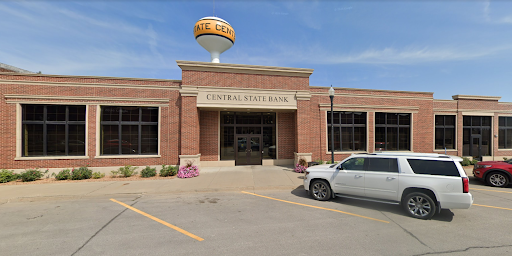
Central State Bank has served Iowa communities for more than 80 years and offers local banking services through locations that include State Center, Ames, and West Des Moines.
Apply for a Mortgage Loan in Iowa
Your home financing should come with clear guidance and local support. Connect with a Central State Bank mortgage lender to discuss your budget, compare available home loans, and understand the next steps.
Planning to purchase commercial property or invest in farmland? Central State Bank offers commercial loans and agricultural loan options to help support your next project or business goal.
Call Your Nearest Central State Bank
Mortgage Loan FAQs
How much money do I need for a mortgage down payment?
The required down payment depends on the mortgage program, your finances, and the property. Some conventional loans may allow a smaller down payment, while eligible USDA and VA loans may offer financing with no down payment. A larger down payment may reduce your monthly payment and mortgage insurance costs.
What credit score do I need to qualify for a home loan?
Credit requirements vary by loan program. Your credit score is important, but lenders also review your income, debts, payment history, assets, and employment. Speak with a loan officer before assuming you will not qualify. They can review your situation and explain possible next steps.
What is the difference between a fixed-rate and adjustable-rate mortgage?
A fixed-rate mortgage has an interest rate that stays the same for the full loan term. An adjustable-rate mortgage has a rate that may change after an initial fixed period. Fixed rates offer more payment stability, while adjustable rates may provide a lower starting rate.